


Advertisement
Even the mere whisper of the word “decluttering” can make you stiffen a little bit with dread. After all, these organising projects often feel like overhauls, requiring you to dedicate a lot of mental and physical energy to the task along with a good chunk of your time. The “soft decluttering” method aims to nix that tension so it’s not so overwhelming.
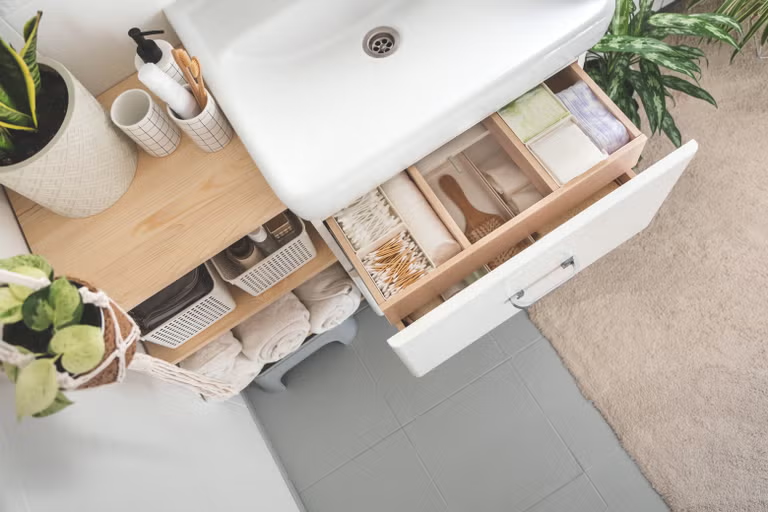
The “soft organising” decluttering method
This organising method says to forget about massive cleanouts, rigid rules and the notion of magazine-perfect minimalist spaces. Instead, the idea is to gradually get rid of things by working in small increments, naturally release items as you go about life, and make peace with imperfection. Your shoulders are already relaxing, aren’t they?
“People sometimes assume they need to set aside an entire weekend, empty every cabinet, and completely overhaul a space to make meaningful progress,” says Carrie Wallick, professional organiser and founder of Carrie on Organizing. “This approach encourages people to start small instead of putting things off until they have the time or energy to do everything at once.” This creates momentum and might just teach your brain that hey, this whole decluttering thing isn’t so bad after all.
Pros and cons of soft decluttering
The biggest benefit is that you can work decluttering into your everyday life rather than treating it like a major project. Wallick says, “It’s also a good way to build habits that prevent clutter from piling up again.” The only true downside is that you may feel like these short bursts or gradual decluttering isn’t always enough to tackle everything. Wallick says that if you notice overflowing closets or piles accumulating, then you can tackle those as needed so your space is comfortable and functional.
Tips for adding soft decluttering in your life
Start with easy decisions. It’s easier to let go of expired items versus sentimental pieces. Begin with the obvious clutter, like old receipts, expired pantry items or clothes that no longer fit. These quick wins build momentum and make the process feel less daunting.
Make projects small and specific. “Instead of putting ‘organise the kitchen’ on your to-do list, pick one manageable task,” Wallick advises. For example, tackle just the junk drawer, one shelf of the pantry or the countertop. Small, defined tasks are easier to start and finish, giving you a sense of accomplishment.
Build decluttering into everyday routines. For example, when you’re putting away laundry, take a minute to pull out the clothes you no longer wear. When you’re cleaning up after dinner, toss any expired items from the fridge. These micro-decluttering moments add up over time without requiring a dedicated block of time.
Make peace with imperfection. It’s okay for donation piles to sit a little while, and your space doesn’t have to look picture-perfect when you’re finished. The goal is progress, not perfection. A slightly cluttered shelf is still better than an overflowing one, and a small donation bag waiting by the door is still one step closer to a calmer home.
The bottom line
Soft decluttering offers a gentler, more sustainable approach to organising your home. Instead of treating decluttering as a major project, it encourages small, consistent actions that fit into your daily life. Start with easy decisions, keep tasks specific and manageable, build decluttering into your routines, and accept that imperfection is part of the process. Over time, these small steps add up to a tidier, calmer and more functional home — without the dread.
 Watch the ad Unlock More
Advertisement


Advertisement


Advertisement


Advertisement